About
PSHE CurriculumKey Principles
A live PSHE curriculum that teaches resilience, integrity and empathy, while building the power of school community.
This will be implemented through the following key principles:
- Spiral curriculum where content is carefully sequenced and can be applied throughout the day
- Building emotional literacy and the skills of oracy
- Repetition of key themes that build an empathetic community
- Collaboration across schools to maintain a relevant curriculum
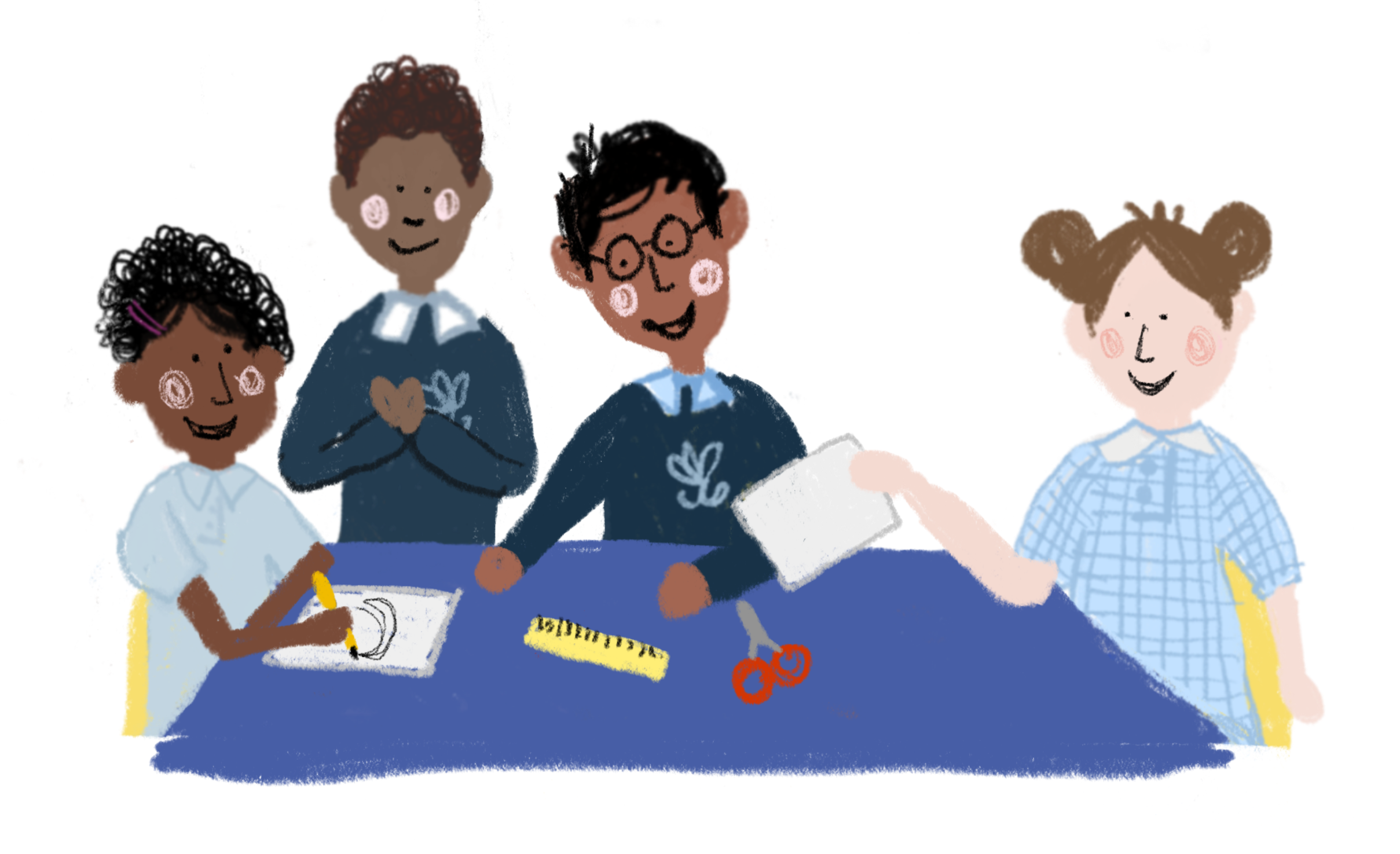
A live PSHE Curriculum
- Concepts taught in PSHE can be referenced throughout the school day.
- Support cards are available to encourage pupils to use key concepts.
- A range of indoor and outdoor posters are available.
- Use of a parent / carer guide along with numerous parent sessions.
Oracy
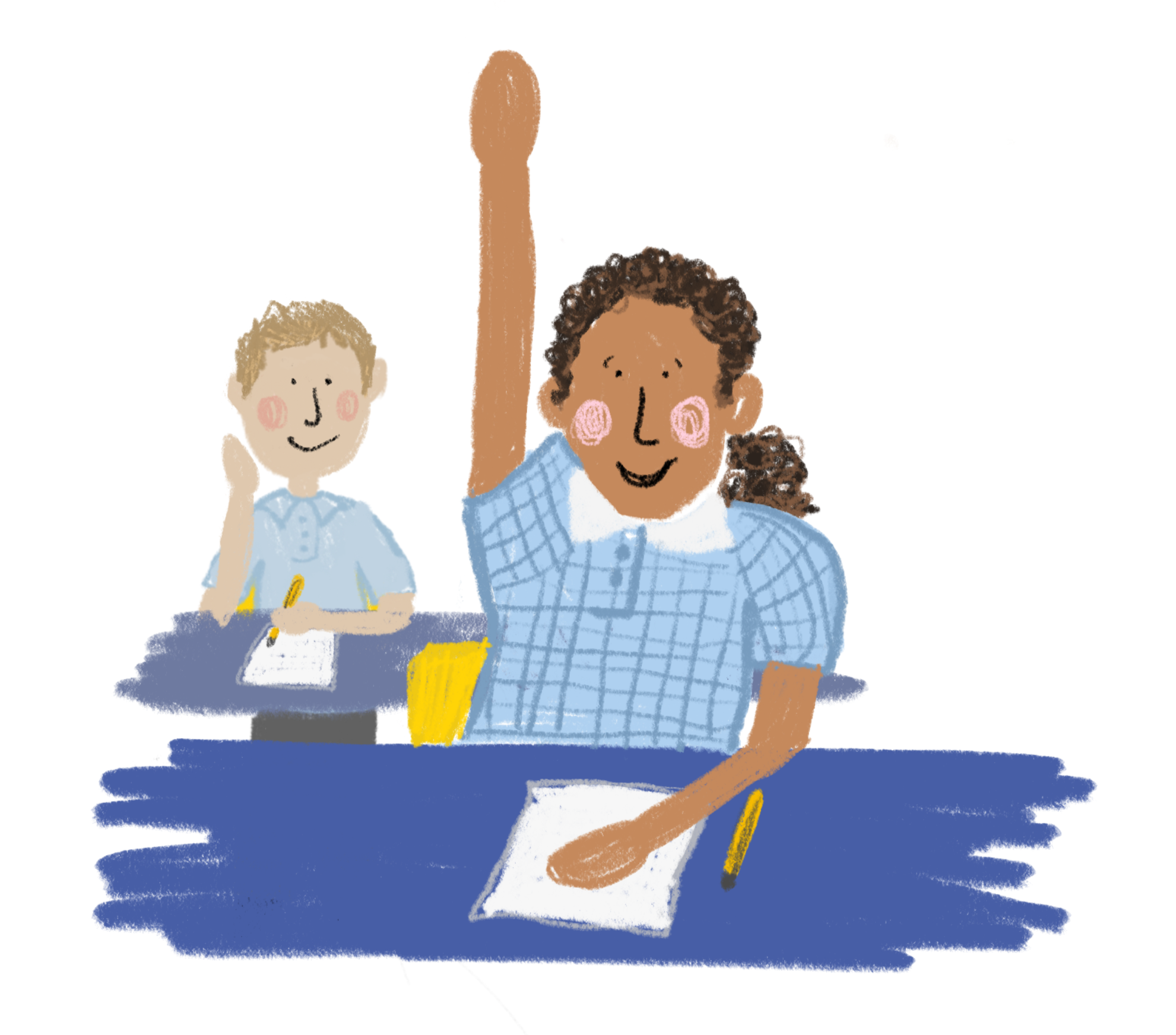
In a programme called Let’s Talk it is not surprising that the development of oracy takes centre stage. Key themes including the Arena, Talk Partner Masters and Courageous Presenting provide the foundation for pupils to express themselves with confidence. This is then refined with the skills of clarifying, summarising and voice projection.
The majority of lessons include an Exploring Viewpoints slide where pupils discuss a misconception or provocative statement. Sentence stems are provided to increase the quality of language used.
Emotional Literacy
When we don’t have the language our ability to make sense of what’s happening and share it with others is severely limited. The building of emotional literacy is therefore a priority at Let’s Talk and is developed in a range of ways:
- Every PSHE lesson includes a focus on an emotion.
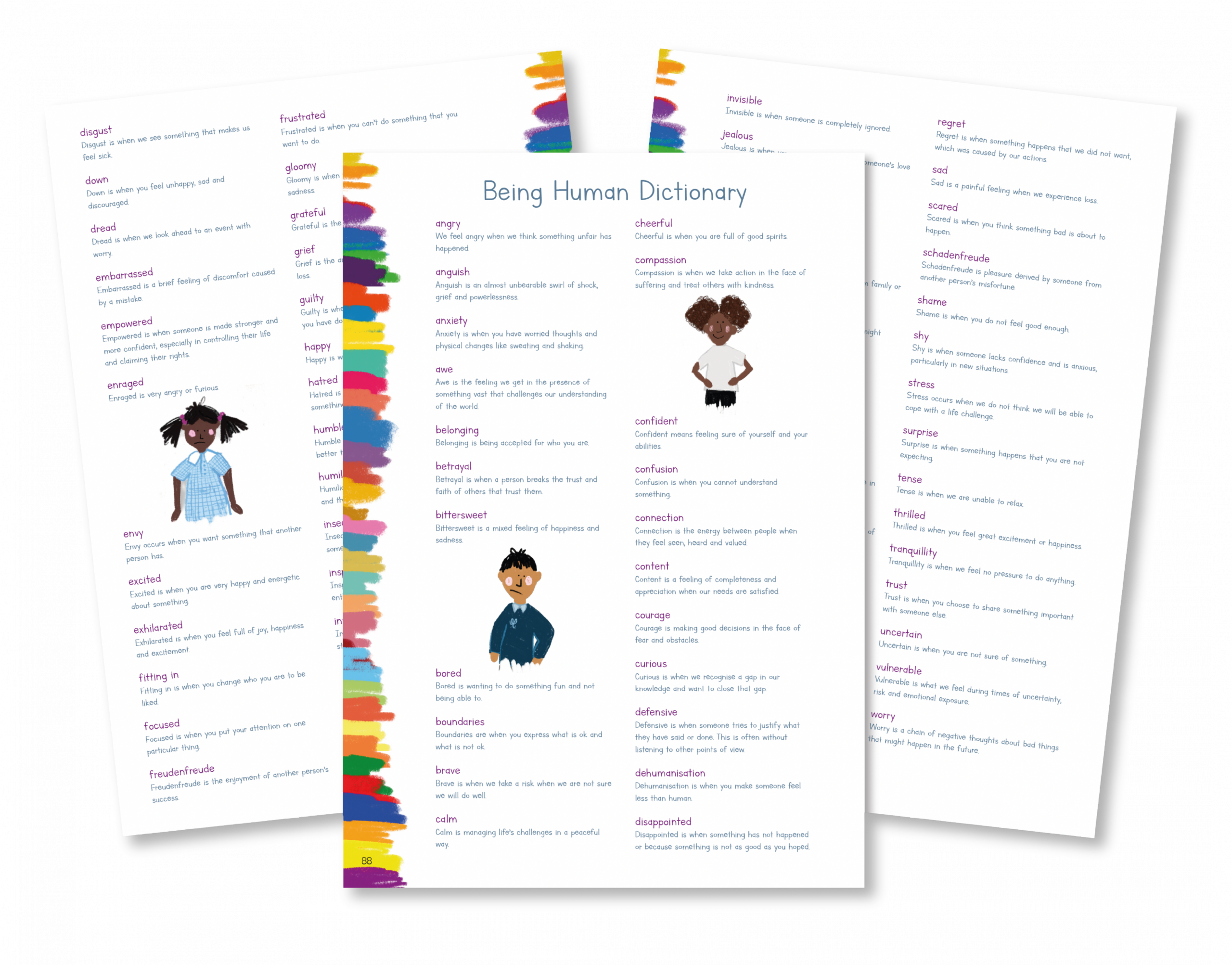
- Our Being Human dictionary has over 80 emotions for pupils to refer to during the lessons.
- Emotions weaved into every lesson through the use of bubbles.
Collaboration and School Support
Any PSHE curriculum needs to adapt as the world changes for our children. From the beginning, we have encouraged schools to collaborate with us to ensure that the curriculum remains relevant. And with new schools joining our community every week, this collaborative approach is only getting more powerful.
“They are constantly adapting the curriculum. This helps us to safeguard our children in this changing world.”