
About
OracyOracy
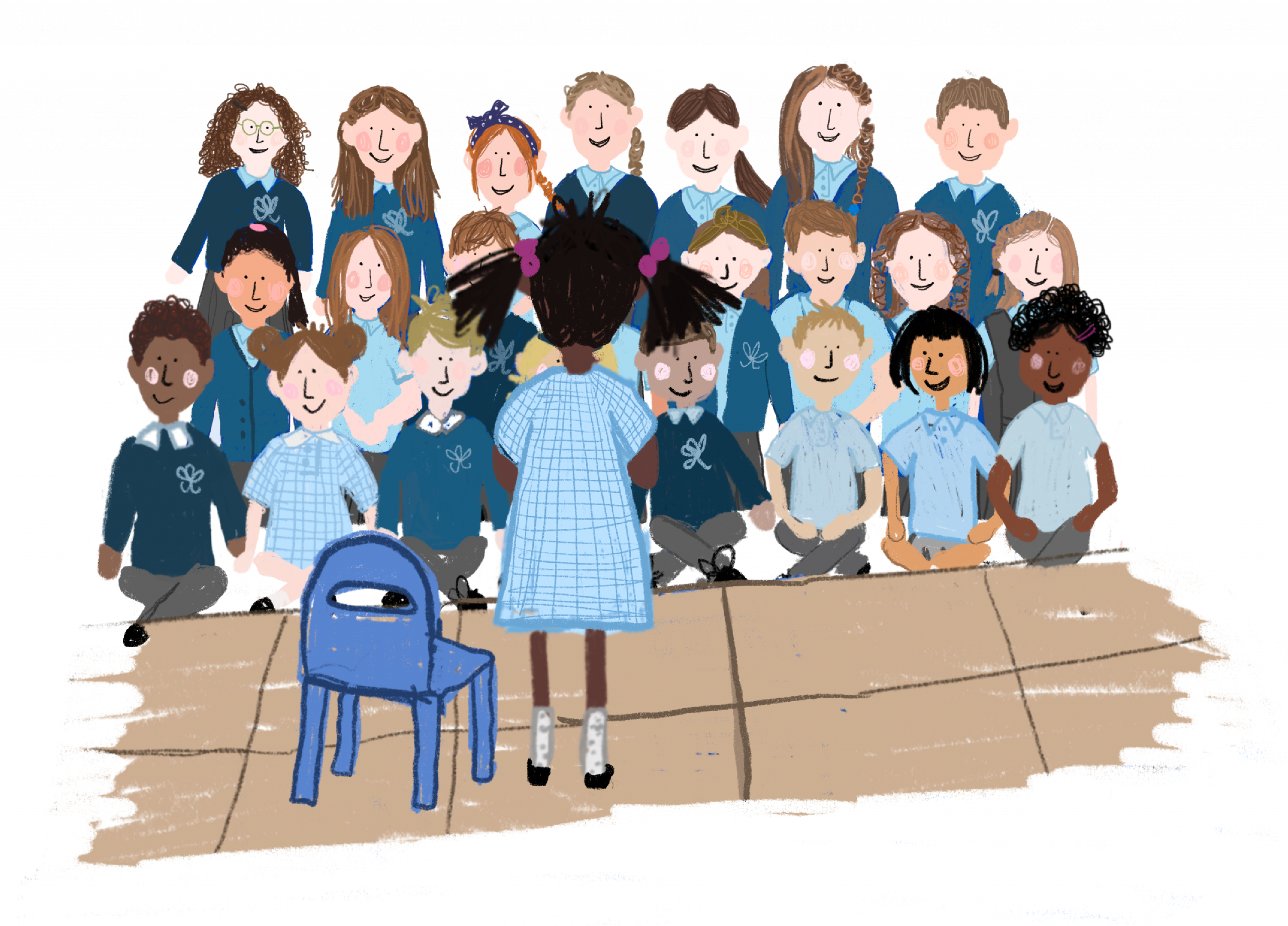
The programme offers pupils plenty of opportunities to use, practice and develop their spoken language abilities. Let’s start with the teaching, below are some of the oracy skills that are taught in the Let’s Talk programme:
- turn taking
- active listening
- giving reasons to support views
- self-assurance
- voice projection
- clarifying
- summarising
Tackling misconceptions
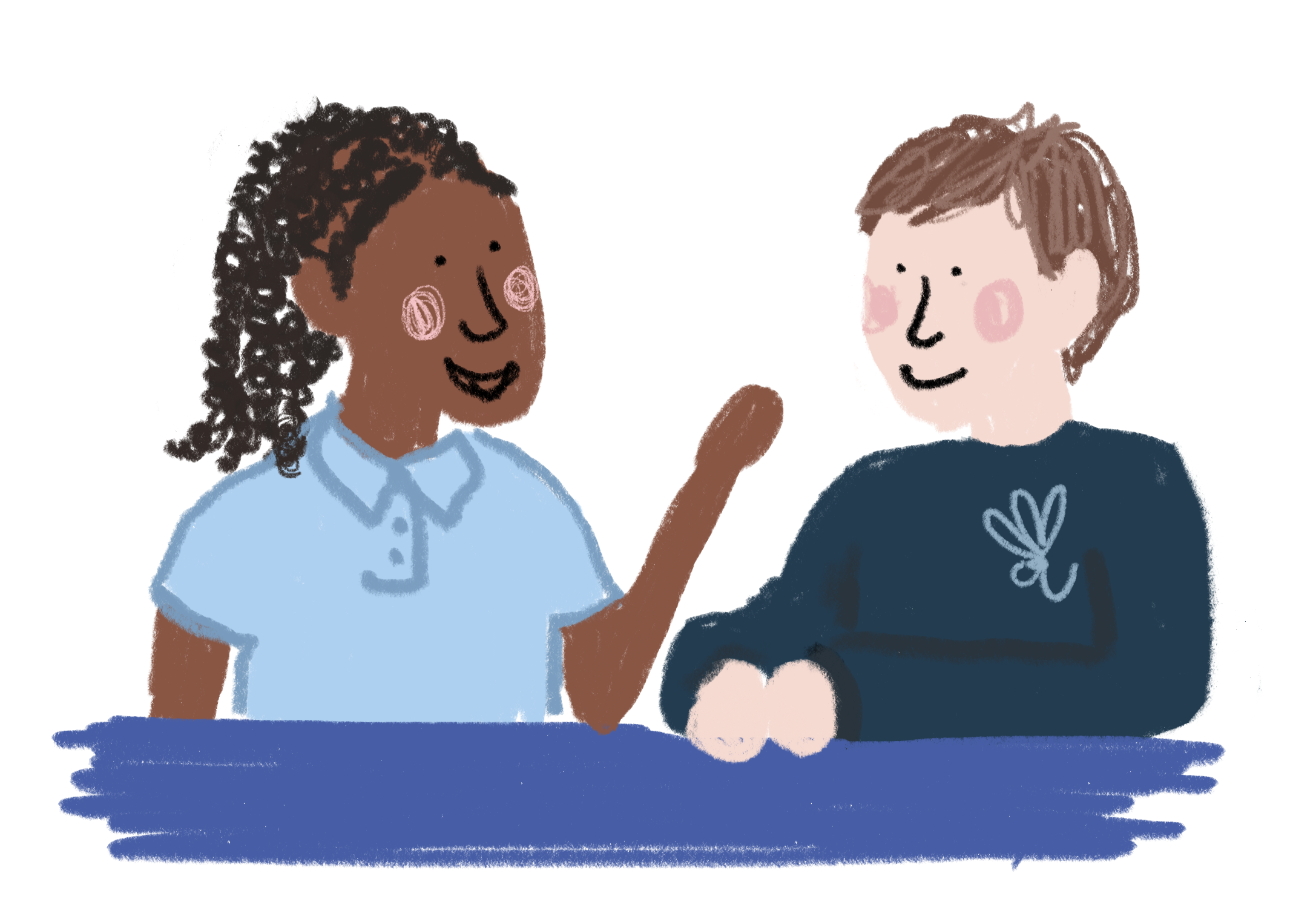
For many pupils, audibly disagreeing with someone in a classroom is seen as an insult. The programme repeatedly explains that respectfully disagreeing is courageous and can lead to enlightened conversations where relationships and learning is deepened. Being vigilant of the usage of “I respectfully disagree” is crucial to reinforce the message that disagreement, so long it is not disagreeable, is a positive thing for any community.
oracy sentence stems
For the majority of lessons in KS2, there is an Exploring Viewpoints slide, which includes four sentence stems.
- I agree with
- I partially agree with
- I respectfully disagree with
- I would like to build on
These sentence stems serve as an entrance into discussion for all and if referenced regularly, will pop up in different parts across the school day. Some schools encourage the use of hand signals (building with hands) while others use the position of a thumb (up, down and middle) to gauge opinion.

Collaboration
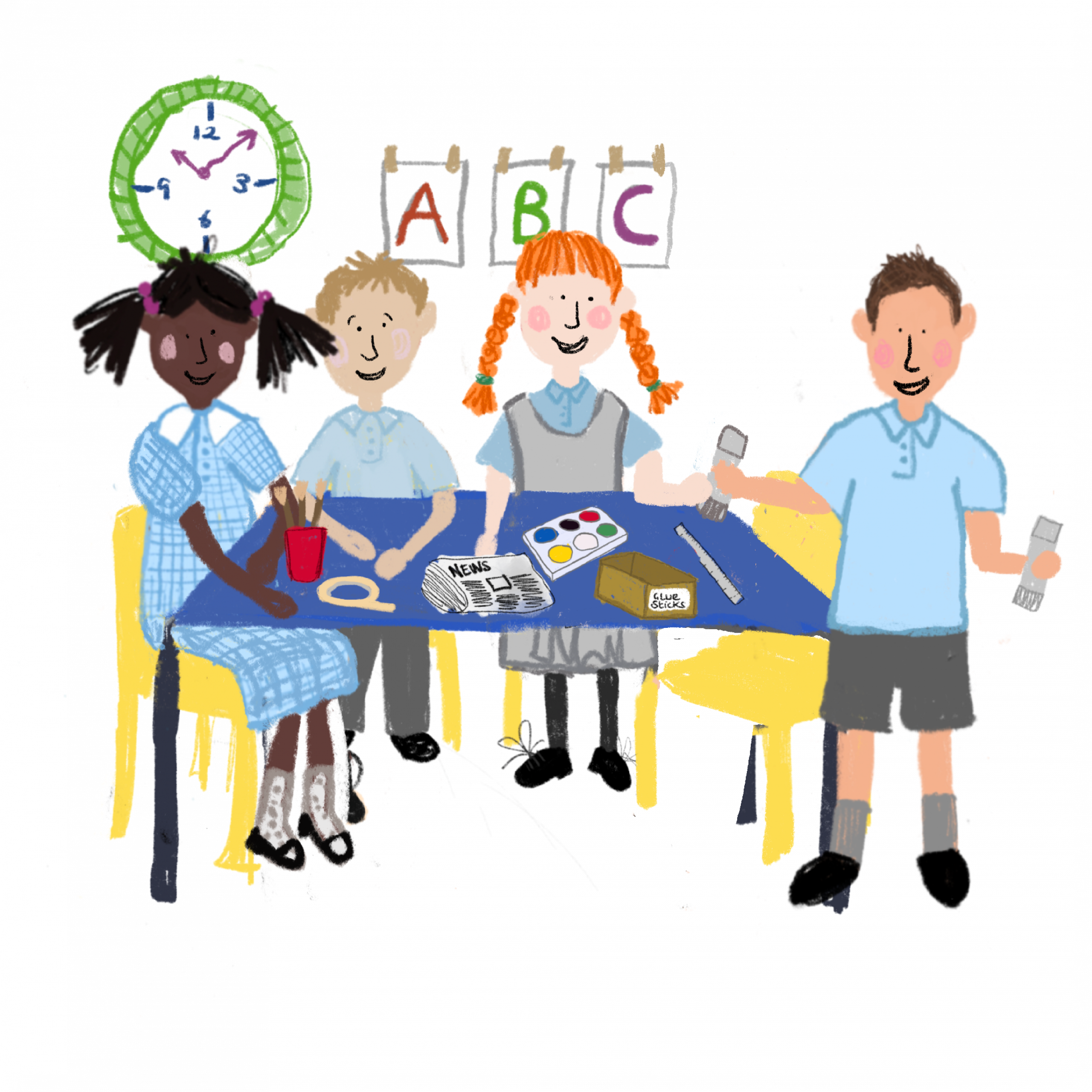
The activities in each lesson are interactive and encourage pupils to practice their oracy skills. Not only does this build autonomy and confidence but adds to pupil engagement. Pupils are challenged to present scenarios, create short videos, plan whole-school assemblies, create school campaigns and participate in debates. Pupils can then reflect on these collaborative experiences in their journals.